Physical Address
304 North Cardinal St.
Dorchester Center, MA 02124


Finding verified business emails is one of the hardest parts of outbound sales. Many sales teams waste hours searching LinkedIn, checking company websites, and guessing email formats before even sending the first cold email. That is why tools like SalesQL are becoming popular among recruiters, startups, agencies, and SDR teams.
SalesQL is a B2B lead generation platform built mainly for finding verified emails and phone numbers directly from LinkedIn. The tool also includes CRM integrations, CSV exports, email enrichment, and outreach features. Instead of forcing users through complicated enterprise workflows, SalesQL keeps everything simple and fast.
What makes the platform attractive is its balance between affordability and functionality. Many competitors focus heavily on enterprise clients and charge expensive yearly contracts. SalesQL targets businesses that want practical prospecting tools without huge costs.
Another major advantage is ease of use. Even beginners can install the Chrome extension and start finding prospect data within minutes. This simplicity is one of the biggest reasons many small businesses prefer SalesQL over more complicated alternatives.
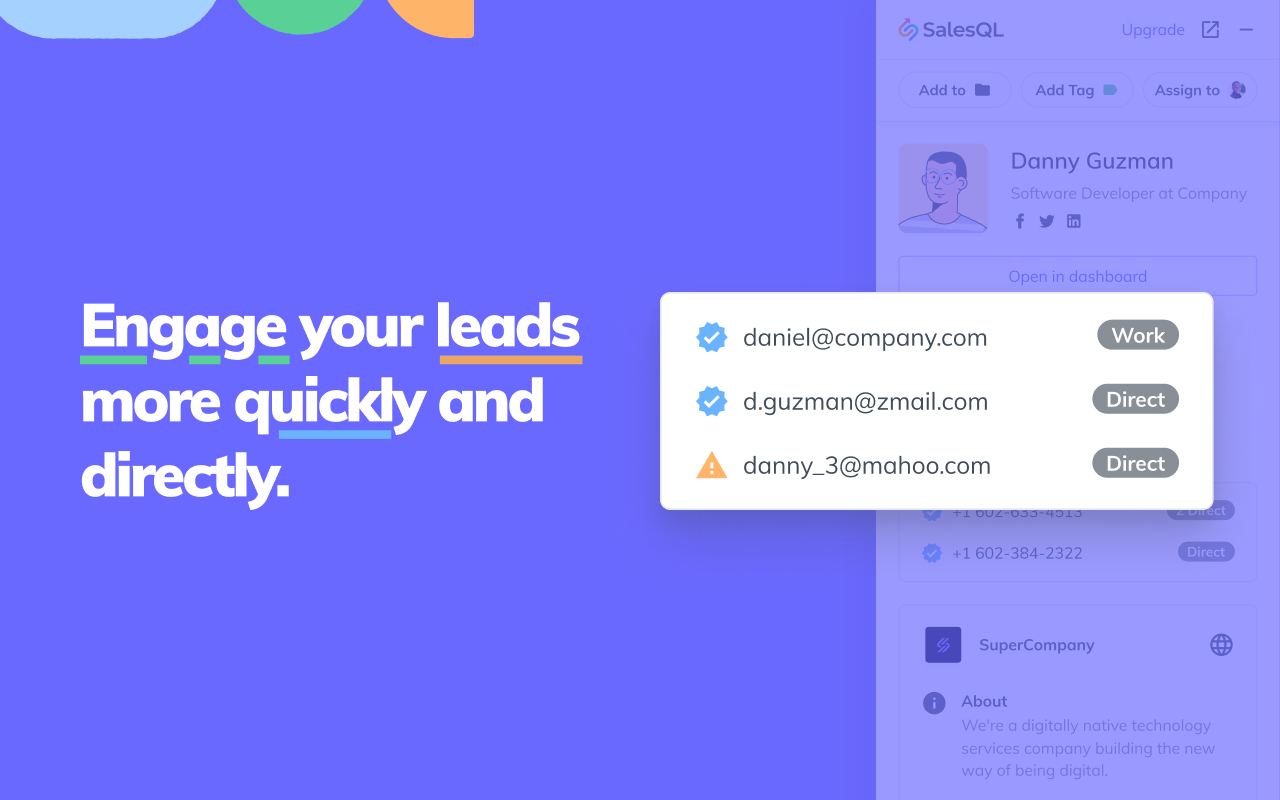
The main feature inside SalesQL is LinkedIn prospecting. After installing the Chrome extension, users can visit LinkedIn profiles and instantly retrieve verified emails and contact information. This workflow feels natural because most recruiters and SDRs already spend hours inside LinkedIn every day.
The platform also works well with LinkedIn Sales Navigator. Users can extract leads from search results, organize contact lists, and export everything into CSV files or CRMs. For teams doing large-scale outreach, this saves a massive amount of time.
Another useful feature is email verification. Sending emails to invalid addresses damages deliverability and hurts outreach performance. SalesQL attempts to verify emails before export, helping businesses maintain cleaner prospect lists.
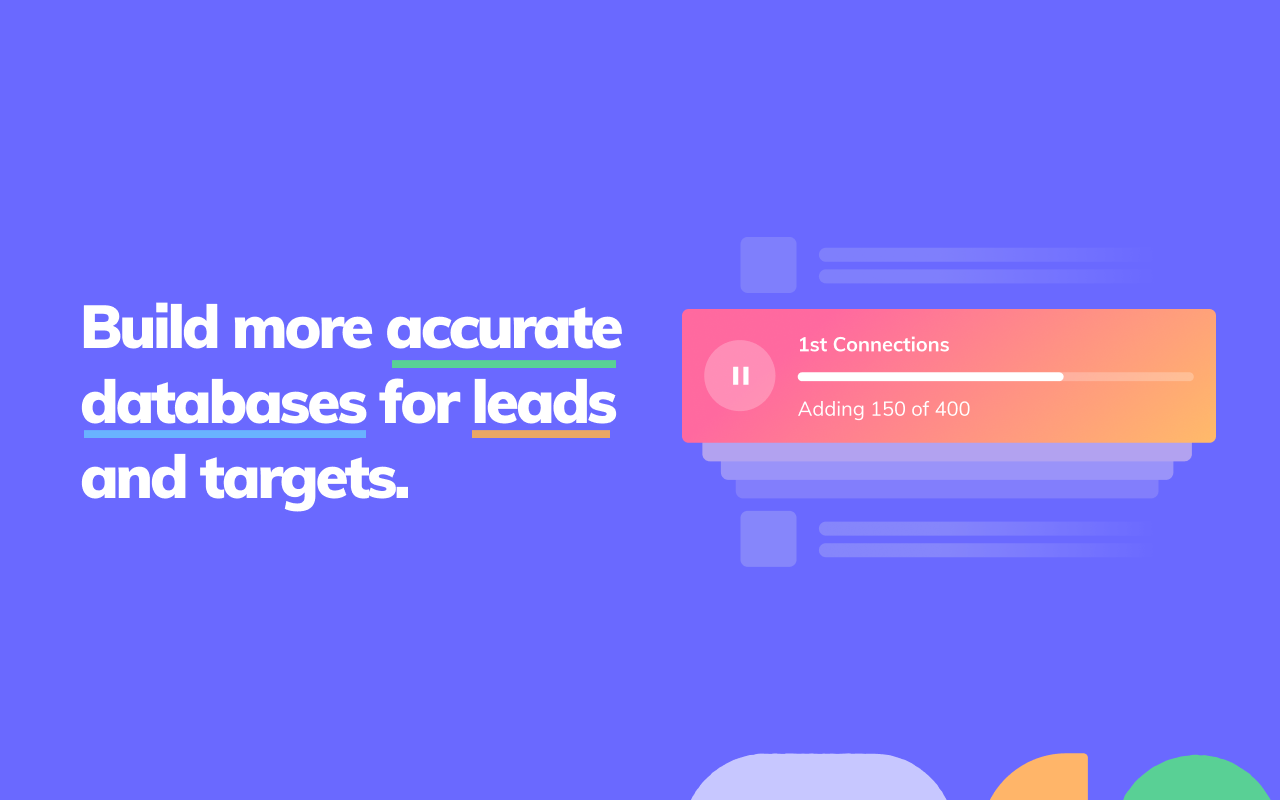
SalesQL also includes contact enrichment. Users can upload old lead databases and add missing information like business emails, phone numbers, and company data. This is useful for businesses that already have lead lists but need updated records.
The platform recently expanded into outreach automation too. Users can now create campaigns, schedule follow-ups, and manage outreach inside one system. While it may not be as advanced as dedicated sales engagement platforms, it works well for smaller teams.
CRM integrations are another strong point. SalesQL connects with HubSpot, Salesforce, Pipedrive, Zoho CRM, and Zapier. This reduces manual work and helps businesses keep lead management organized.
Pricing is one of the strongest reasons to consider SalesQL. Many lead generation tools are extremely expensive, especially enterprise-focused platforms like ZoomInfo. Smaller businesses often cannot justify paying thousands of dollars yearly for prospecting software.
SalesQL offers a much more accessible pricing structure. The platform includes a free plan for testing basic features. Paid plans increase credits, enrichment limits, API access, and team collaboration tools.
For startups and agencies, this flexibility matters a lot. Businesses can start small and scale gradually instead of committing to expensive contracts immediately.
Compared to competitors like Apollo.io or Lusha, SalesQL remains competitively priced. While some alternatives offer deeper analytics or larger datasets, many businesses simply need verified contacts and LinkedIn prospecting tools. SalesQL handles these tasks effectively without unnecessary complexity.
One thing users should understand is that credits can disappear quickly if running large outbound campaigns. Heavy prospecting teams may eventually need higher-tier plans. Still, for most small and medium businesses, the pricing remains reasonable compared to the value provided.
Overall, SalesQL delivers strong ROI for recruiters, SDRs, consultants, and growing sales teams that need affordable lead generation software. 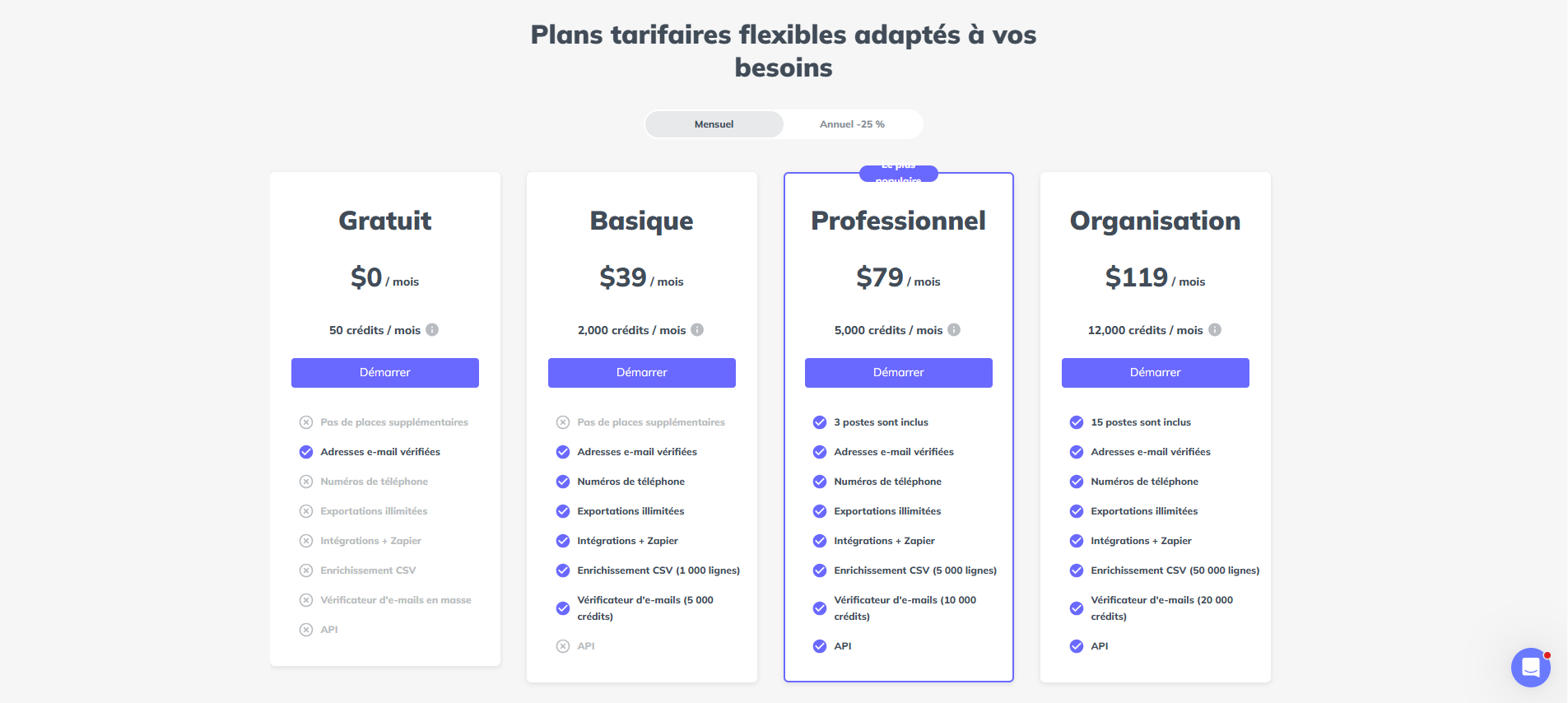
Some prospecting platforms feel overwhelming the moment you log in. Complex dashboards, advanced filters, and enterprise-level configurations can slow teams down instead of improving productivity.
SalesQL avoids this problem by keeping the interface clean and beginner-friendly. The onboarding process is fast, and users can begin prospecting almost immediately after installing the extension.
The LinkedIn integration is especially smooth. Users do not need to constantly switch tabs or manually copy information between platforms. Everything happens directly inside LinkedIn workflows.
Lead management is also straightforward. Contacts can be organized into folders, exported into spreadsheets, or pushed directly into CRM systems. Even users without technical experience can learn the workflow quickly.
Recruiters benefit heavily from this simplicity because candidate sourcing often requires speed. Instead of manually searching for candidate emails, recruiters can enrich profiles and launch outreach much faster.
The campaign tools also help smaller teams simplify workflows. Businesses that do not want multiple software subscriptions can manage prospecting and outreach inside one platform.
Overall, SalesQL focuses more on usability than complexity, and that makes it appealing for modern sales teams.

SalesQL competes with several major lead generation platforms including Apollo.io, ZoomInfo, Hunter.io, Lusha, and Seamless.ai. Each platform has different strengths depending on the user’s needs.
ZoomInfo is stronger for enterprise-level intelligence and massive datasets, but it is also far more expensive. Most startups and agencies simply do not need enterprise-scale complexity.
Apollo.io offers powerful automation and outreach systems, but some users find the interface overloaded with features. SalesQL feels simpler and easier to manage for smaller teams.
Hunter.io focuses mainly on email discovery, while SalesQL offers broader functionality including LinkedIn integration, campaigns, and CRM synchronization.
Lusha is well known for direct contact data and phone numbers. SalesQL competes well here while also offering smoother LinkedIn workflows.
One of it’s biggest strengths is balancing simplicity, affordability, and functionality. The platform may not dominate enterprise analytics, but it solves everyday prospecting problems effectively.
For many recruiters and outbound sales teams, that balance matters more than having endless advanced features they may never use.

SalesQL has become one of the most practical lead generation tools for businesses that rely heavily on LinkedIn prospecting and outbound outreach. The platform combines verified email discovery, enrichment tools, CRM integrations, and automation features inside a clean and beginner-friendly system.
The biggest advantage is accessibility. Businesses do not need huge budgets or technical teams to start using the platform effectively. Setup is fast, workflows are simple, and prospecting becomes significantly more efficient.
Recruiters can source candidates faster. SDR teams can build outbound lists more efficiently. Agencies can manage prospecting campaigns without expensive enterprise software.
Of course, larger companies with advanced sales operations may still prefer enterprise tools like ZoomInfo or Apollo.io for deeper analytics and automation. But many smaller businesses do not need that level of complexity.
SalesQL succeeds because it focuses on practical workflows instead of overengineering the experience. It helps users find verified contacts quickly, organize leads, and launch outreach campaigns with minimal friction.
For startups, recruiters, agencies, and outbound sales teams looking for affordable prospecting software, SalesQL is absolutely worth trying.
