Physical Address
304 North Cardinal St.
Dorchester Center, MA 02124
Physical Address
304 North Cardinal St.
Dorchester Center, MA 02124

1. Demystifying the Core Architecture: How Dify Visualizes Complex Workflows
At its heart, Mastering Dify AI excels because it treats LLM orchestration not as a black box of code, but as a visual, logical map. The author does a fantastic job of walking the reader through the platform’s intuitive drag-and-drop user interface, proving that you don’t need a PhD in machine learning to build production-grade AI tools. The book thoroughly breaks down the anatomy of a Dify workflow, showing how nodes—ranging from simple LLM prompts and code blocks to complex conditional routers—connect seamlessly to form a cohesive digital brain. For anyone who has ever wrestled with thousands of lines of messy LangChain script just to handle basic conversational state or memory, this section of the book feels like a breath of fresh air. The author emphasizes that by shifting the developer’s cognitive load away from syntax and onto logical structure, the platform allows teams to prototype enterprise-level automation in a fraction of the traditional development time.

Moving past basic setups, the book dives deep into what is arguably the platform’s strongest asset: its native data ingestion and retrieval capabilities. In these chapters, the author outlines how Dify revolutionizes Retrieval-Augmented Generation (RAG) by offering built-in data preprocessing, chunking, and vectorization pipelines right out of the box. Rather than forcing you to manually configure an external vector database and write custom data cleaning scripts, the text demonstrates how to upload raw text, PDFs, or website URLs directly into the system to create a high-performance knowledge base. Furthermore, the book provides masterclass-level strategies on prompt optimization within the platform, teaching readers how to utilize system prompts, variable injections, and multi-turn memory variables to keep AI agents rigidly aligned with business logic and brand tone.
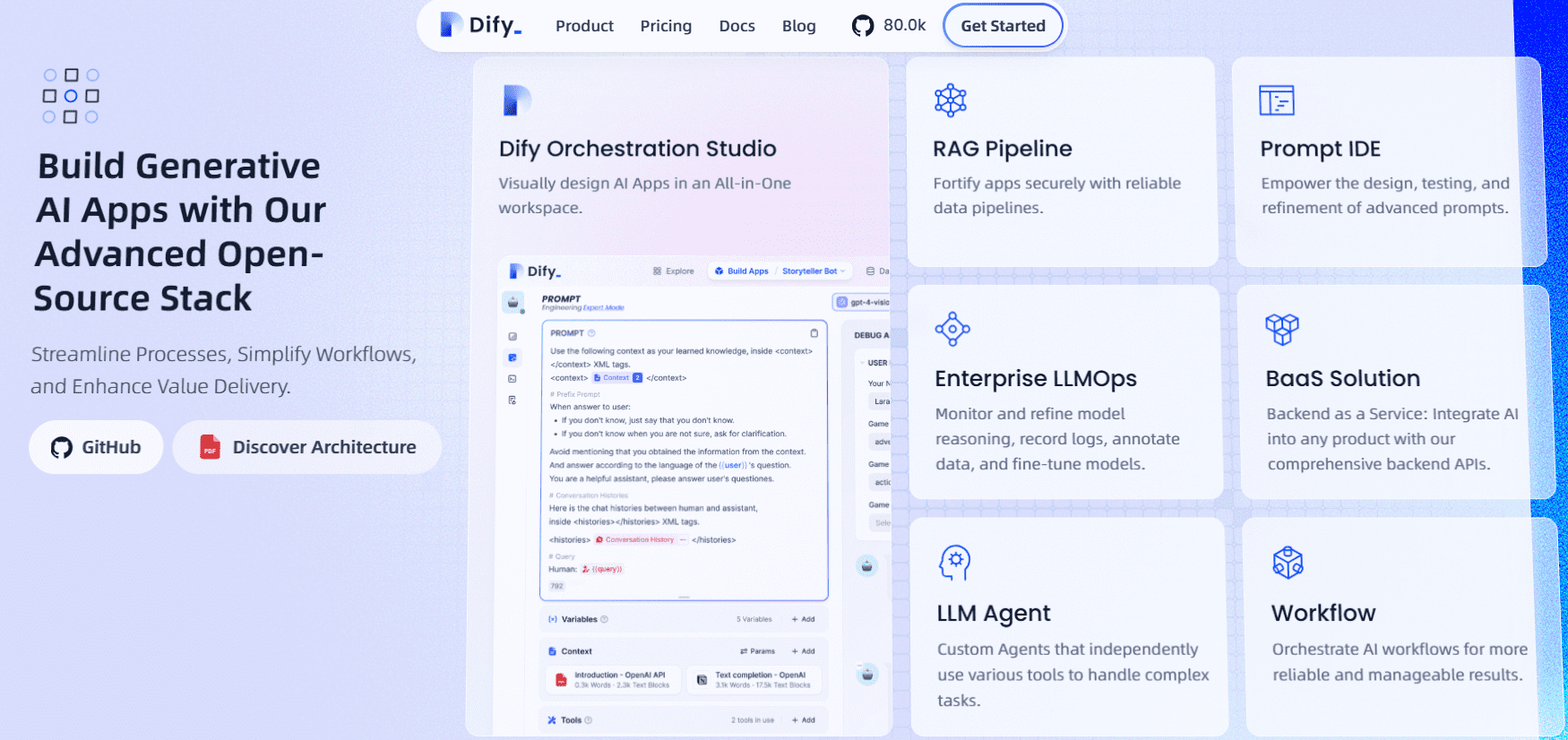
An AI workflow is only as good as its reliability, and the book’s middle chapters tackle the messy, often overlooked reality of production testing. The author shines here by providing concrete methodologies for debugging complex agentic loops using Dify real-time tracing and preview panel. Instead of blindly guessing why an LLM hallucinated or broke character mid-sequence, the text teaches you how to step through each node execution, inspect the precise inputs and outputs of every API call, and monitor token consumption metrics. The guide provides practical troubleshooting checklists for common failure modes—such as context window overflows, infinite routing loops, and API timeouts—ensuring that developers can rigorously stress-test their workflows before a single line of production data ever passes through them.
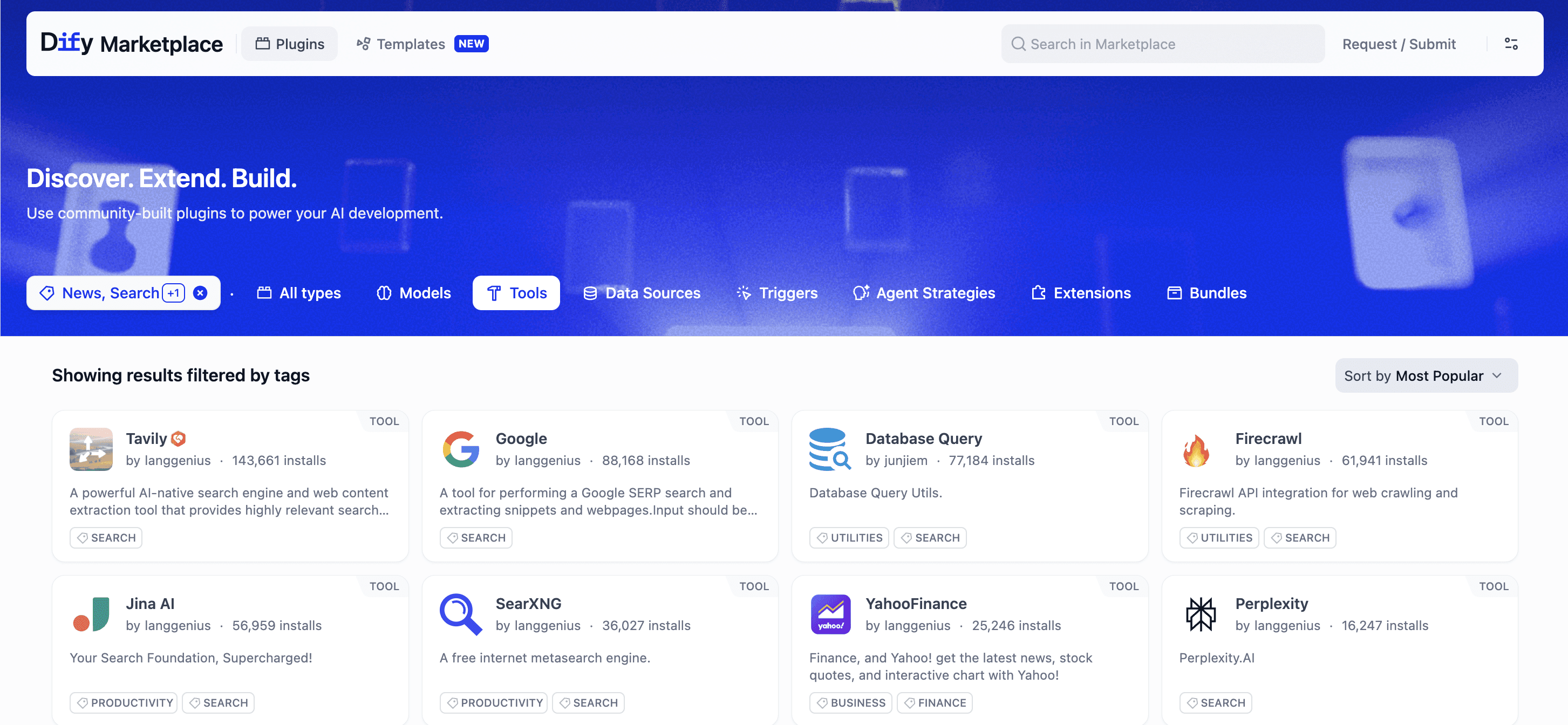
An isolated AI agent is just a novelty, but an agent integrated into an enterprise tech stack is a game-changer; this is the core thesis of the book’s deployment chapters. The author provides step-by-step blueprints on how to leverage Dify robust Webhook systems and native tool integrations to connect your AI workflows directly to external databases, CRMs, and communication hubs like Slack or Discord. Whether you are building a customer support bot that needs to actively fetch live shipping data from an external API, or an automated researcher that triggers external web searches, the book explains how to securely configure API keys, map complex JSON payloads, and handle data serialization without breaking a sweat. It transforms the AI platform from a simple playground into an active, operational operational engine.
The book reaches its logical climax by tackling the final hurdle of the development lifecycle: moving from a local prototype to a scalable, enterprise-grade cloud environment. The author meticulously details the deployment options available, contrasting the ease of use found in the hosted cloud version against the absolute data sovereignty and customization offered by self-hosting Dify via Docker or Kubernetes. Crucially, this final section does not stop at deployment; it provides invaluable advice on setting up long-term monitoring, tracking user analytics, managing operational costs, and implementing strict rate-limiting to protect backend systems from malicious abuse. By the time you close the final chapter, Mastering Dify AI leaves you completely equipped to transition from a curious hobbyist into a confident architect of production-ready AI infrastructure.

