Physical Address
304 North Cardinal St.
Dorchester Center, MA 02124
Physical Address
304 North Cardinal St.
Dorchester Center, MA 02124


The music industry is standing at a peculiar crossroads. For decades, the “uncanny valley” of vocal synthesis meant that if you wanted a human-sounding voice, you needed a human. You needed a studio, a microphone, a pop filter, and a singer who didn’t have a cold. However, with the release of Ace Studio, the gap between digital simulation and biological reality has effectively collapsed. As of 2026, this software – developed by Timedomain – has transitioned from a niche experimental tool into a powerhouse production environment that rivals industry titans like Synthesizer V. It is not just a “toy” for hobbyists; it is a sophisticated AI engine capable of delivering high-fidelity, commercially viable vocal tracks that can sit in a mix without anyone being the wiser.
1. The Technical Foundations of Ace Studio
At its core, Ace Studio utilizes a high-fidelity neural network modeling system that separates it from the sample-splicing methods of the past. Traditional vocaloids often felt “breathy” or “metallic” because they were essentially stitching together tiny snippets of recorded audio. Ace Studio, however, generates the vocal waveform from scratch based on MIDI data and text input. This allows for a level of fluid phrasing that was previously impossible. When you input a melody, the AI doesn’t just “play” the notes; it understands the transition between phonemes, the way a singer’s throat tightens on a high note, and how breath is released at the end of a phrase. In the 2.0 update, the engine’s rendering speed has been optimized to the point where “cloud-based rendering” (which was a point of contention in earlier versions) now feels almost instantaneous, giving producers a real-time feedback loop that is essential for creative flow.
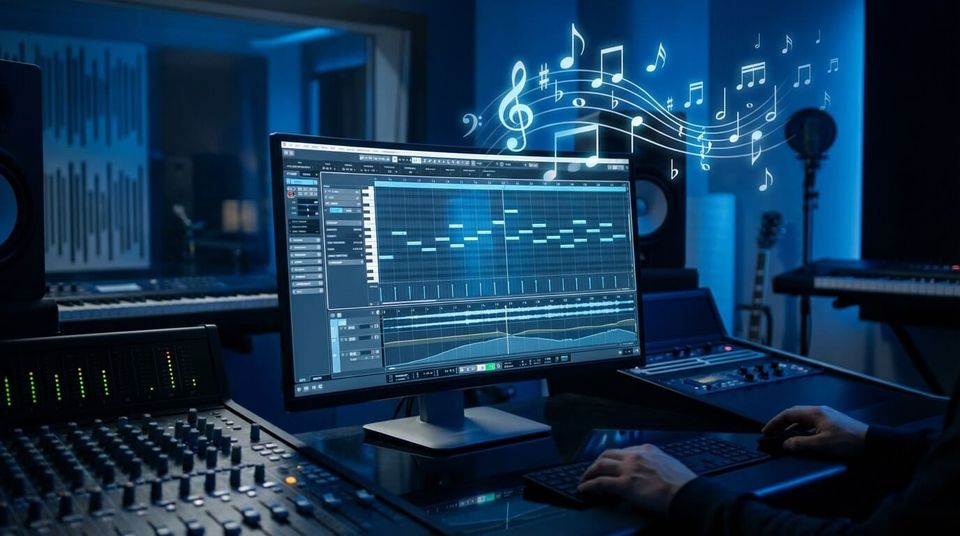
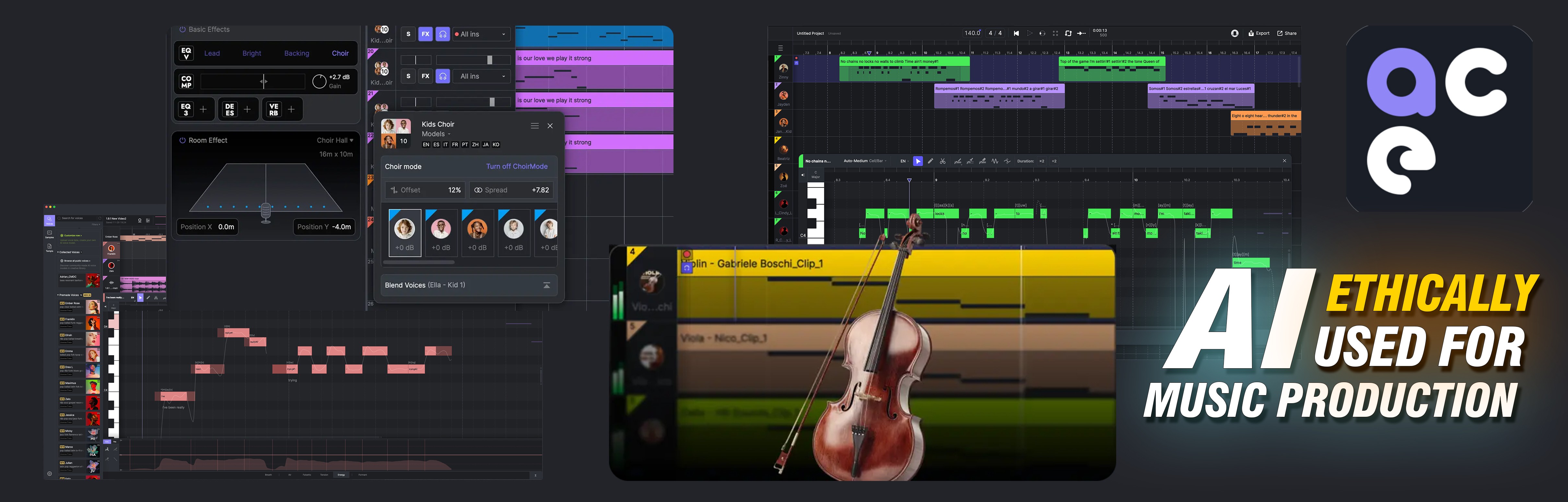
The user interface of Ace Studio is designed to mimic the familiarity of a Modern Digital Audio Workstation (DAW), which significantly lowers the learning curve for professional producers. The “Piano Roll” is intuitive, but the real magic lies in the parameter automation. Users can dive deep into the “Multi-Dimensional Emotion Engine,” adjusting sliders for tension, breathiness, falsetto, and vibrato. If a line feels too clinical, you can simply draw a pitch curve to introduce the slight imperfections—the “scoops” and “vibrato tails”—that define a human performance. Furthermore, the inclusion of the Ace Bridge plugin (available in VST, AU, and AAX formats) means you don’t have to constantly export and import files; the AI singer lives inside your project, syncing perfectly with your backing tracks

One of the most impressive aspects of the platform is the sheer diversity of its roster. Ace Studio boasts over 140 royalty-free AI singers, covering a massive range of genres from operatic sopranos to gravelly rock vocalists and slick R&B crooners. This isn’t just about quantity; it’s about linguistic flexibility. The software handles English, Japanese, Chinese, and Spanish with remarkable native-level diction. For producers working on international projects, this is a game-changer. You can take a melody written in one language and have a different AI singer perform it in another without losing the emotional nuance of the original MIDI performance. The 2026 version also expanded into AI instrument synthesis, adding violins and brass that utilize similar neural modeling, making it a comprehensive “virtual session player” suite
In an era where AI “deepfakes” are a legal minefield, Timedomain has taken a noticeably pro-artist stance with Ace Studio. The voices in their library are created through legal partnerships with real vocalists who are compensated for their data. This “ethical AI” approach provides peace of mind for commercial producers who need to ensure their work is royalty-free and copyright-compliant. Beyond the stock voices, the “Voice Cloning” feature allows users to train a model on their own voice. This is particularly useful for songwriters who might not be world-class singers but want to “skin” their performance with a professional-grade AI model, retaining their unique timing and inflection while upgrading the vocal timbre to a studio-quality level.
While competitors like Synthesizer V still hold a slight edge for some in terms of raw “English naturalness” out of the box, Ace Studio wins on versatility and all-in-one functionality. The “Rent-to-Own” pricing model – roughly $16.58 to $22 per month depending on the tier – is a breath of fresh air in a world of endless subscriptions, as it eventually converts into a lifetime license. For any producer, songwriter, or game developer in 2026 looking to bypass the logistical nightmare of recording live vocals without sacrificing emotional impact, Ace Studio isn’t just a recommendation; it’s an essential piece of the modern toolkit. It has successfully moved the needle from “good for a computer” to “good, period.